
Choosing the right butterfly valve manufacturer is a big decision for any plant or project. A good partner helps you control flow accurately, avoid leaks, and cut maintenance costs for years. The wrong choice can mean downtime, higher energy use, and frequent replacements.
If you are comparing options, it helps to focus on three things: product range, proven reliability, and strong technical support. A trusted butterfly valve manufacturer will be open about materials, pressure classes, certifications, and test results. This makes your selection safer and easier, whether you work in water treatment, power, chemicals, or food processing.
In this guide, you will learn what to check before you finalise a supplier, how to match valve type with your application, and why advanced designs like iris butterfly valves are becoming popular among engineers worldwide.
Understanding the Main Types of Butterfly Valves
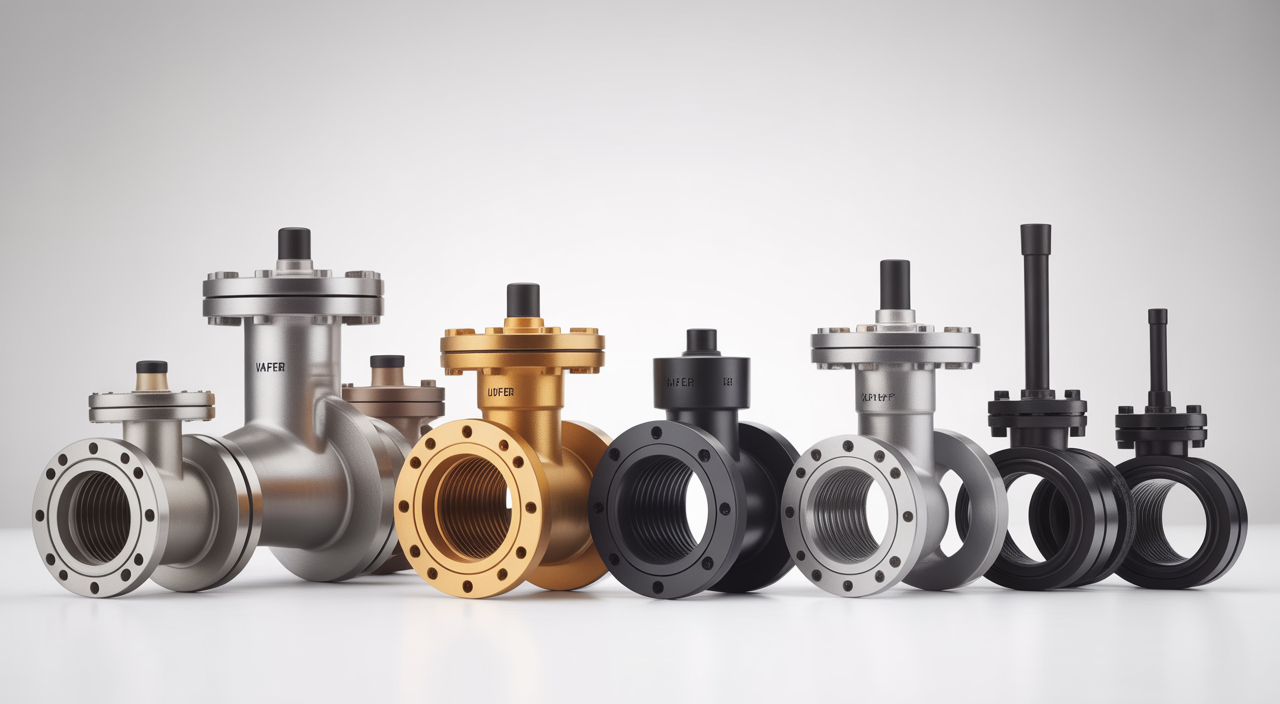
Before choosing a partner, get clear on which valve types your project needs. Different constructions suit different pressure levels, media, and space conditions.
- Wafer butterfly valves fit between two flanges. They are compact, light, and cost-effective for general flow control in water, HVAC, and light industrial services.
- Lug butterfly valves have threaded inserts. They allow you to disconnect one side of the pipeline without disturbing the other, helpful for maintenance.
- Double-eccentric (double-offset) valves move the disc away from the seat as they open. This reduces friction, making them better for higher pressure and more frequent cycling.
- Triple-offset butterfly valves add a third offset and a special sealing geometry. They give very tight shutoff and long life in demanding, high-temperature duties.
Quality manufacturers will offer most or all of these designs, with clear data sheets and application notes. If the product range is too narrow, you may end up forcing a poor fit for your process.
What Is an Iris Butterfly Valve and When Should You Use It?
An iris butterfly valve is a special type of flow control valve. Instead of a single solid disc, it uses overlapping segments that move like the iris of a camera. This creates a near-perfect round opening across a wide range of positions.
The result is very smooth, accurate control of flow and velocity, often better than a standard disc design. Iris valves are ideal for air, powders, and gentle handling of sensitive products, because they minimise turbulence and impact.
When you review any butterfly valve manufacturer, check if they offer iris designs with full technical details, actuators, and accessories suited to your line pressure and media. This shows they invest in innovation and not just basic on–off valves.
Key Criteria for Selecting a Butterfly Valve Manufacturer
1. Material Compatibility and Disc Design
For long valve life, the body, disc, stem, and seat must match your medium and conditions. Look for clear guidance on material selection in the catalogue or website.
- Body materials: Common options include carbon steel, stainless steel, and ductile iron. For corrosive media, stainless steel or special alloys are preferred.
- Disc materials: Discs face direct contact with fluid. High-grade stainless or coated discs resist corrosion and erosion, reducing leakage over time.
- Seat materials: Elastomer seats (EPDM, NBR, FKM) work well for many services, while PTFE seats handle aggressive chemicals and higher temperatures.
A reliable supplier will provide a simple chart linking media (water, acids, slurries, gases) with recommended materials. This saves design time and reduces risk of early failure.
2. Pressure, Temperature, and Torque
Every project has its own combination of pressure rating, temperature range, and actuation needs. Ask the manufacturer for clear valve torque specifications and pressure–temperature diagrams.
A basic sizing checklist you can follow is:
- Confirm maximum working pressure and safety margin.
- Note minimum and maximum operating temperature.
- Check line size and required flow rate.
- Use the manufacturer’s tables to find expected torque.
- Select a manual gear, pneumatic, or electric actuator with at least 20–30% extra torque for safe operation.
When these values are clearly documented, your actuator selection becomes straightforward, and automation engineers can design control loops with confidence.
3. Certifications and Testing
For critical services, certifications are not optional. They show that the valves follow global standards for design, testing, and safety. Look for proof of:
- ISO-based quality management systems
- Compliance with relevant pressure equipment rules
- Performance testing for tight shutoff and cycle life
Ask for sample test reports and inspection plans. A strong manufacturer will share them freely and explain how they ensure consistency from one batch to the next.
Maintenance and Life-Cycle Support
Butterfly valves are normally low-maintenance, but they still need periodic checks. A good supplier will give you clear instructions and spare part plans.
- Simple visual inspection steps for leaks and external damage
- Guidance on how often to cycle the valve to prevent sticking
- Easy access to replacement seats, seals, and stems
For Indian plants where shutdown windows are short, fast spare delivery and responsive support can be as important as the initial purchase price. This mirrors the broader idea of boosting efficiency found in guides on improving industrial productivity with smart tools.
Questions to Ask Before Finalising Your Supplier
When you talk with a potential partner, you can use questions like these to check their depth:
- Which applications are your valves most commonly used for in my industry?
- Can you share case studies or references from plants similar to mine?
- What is your typical lead time for standard and custom sizes?
- Do you support valve sizing and actuator selection, or should I calculate everything myself?
The more detailed and confident their answers, the more likely they are to support you long term rather than just sell a single batch.
Practical Tips for Indian Investors and Project Teams
If you are planning a new plant or upgrading lines in India, you often balance performance with budget. A well-chosen butterfly valve manufacturer can reduce overall project cost even if their unit price is slightly higher.
- Look at total cost of ownership, not just purchase price. Longer life and lower leakage can reduce pumping energy and maintenance labour.
- Combine valves, actuators, and accessories from the same supplier to simplify warranty and after-sales support.
- Use digital tools and calculators offered by the manufacturer to speed up design, similar to how modern tech improves daily workflows explained in articles about how technology shapes our daily lifestyle.
This approach helps you build strong, efficient plants that stay competitive for many years.
FAQs
Q1: What is the main difference between wafer and lug butterfly valves?
Answer: Wafer valves are clamped between two flanges using through-bolts and are ideal where you do not need to remove one side of the pipeline independently. Lug valves have threaded lugs that allow each side of the line to be disconnected separately, which is useful for maintenance or when you need end-of-line service.
Q2: How often should butterfly valves be maintained in an industrial plant?
Answer: For most water and clean-media services, a quick visual check every three to six months is enough, along with cycling the valve fully open and closed to prevent sticking. In more aggressive or high-temperature duties, follow the manufacturer’s schedule, which may suggest more frequent seat inspections and torque checks.
Q3: Why is it important to choose a certified butterfly valve manufacturer?
Answer: Certifications show that the company follows strict design, production, and testing rules. This reduces the risk of leaks, failures, and unplanned shutdowns. It also makes it easier to meet project specifications and regulatory requirements in sectors such as power, oil and gas, and water treatment.
Q4: Can one butterfly valve manufacturer supply both manual and automated solutions?
Answer: Yes, many leading suppliers provide valves along with manual levers, gearboxes, and pneumatic or electric actuators. Choosing a single source for both valve and actuator helps ensure correct torque matching, smoother commissioning, and simpler after-sales service.