

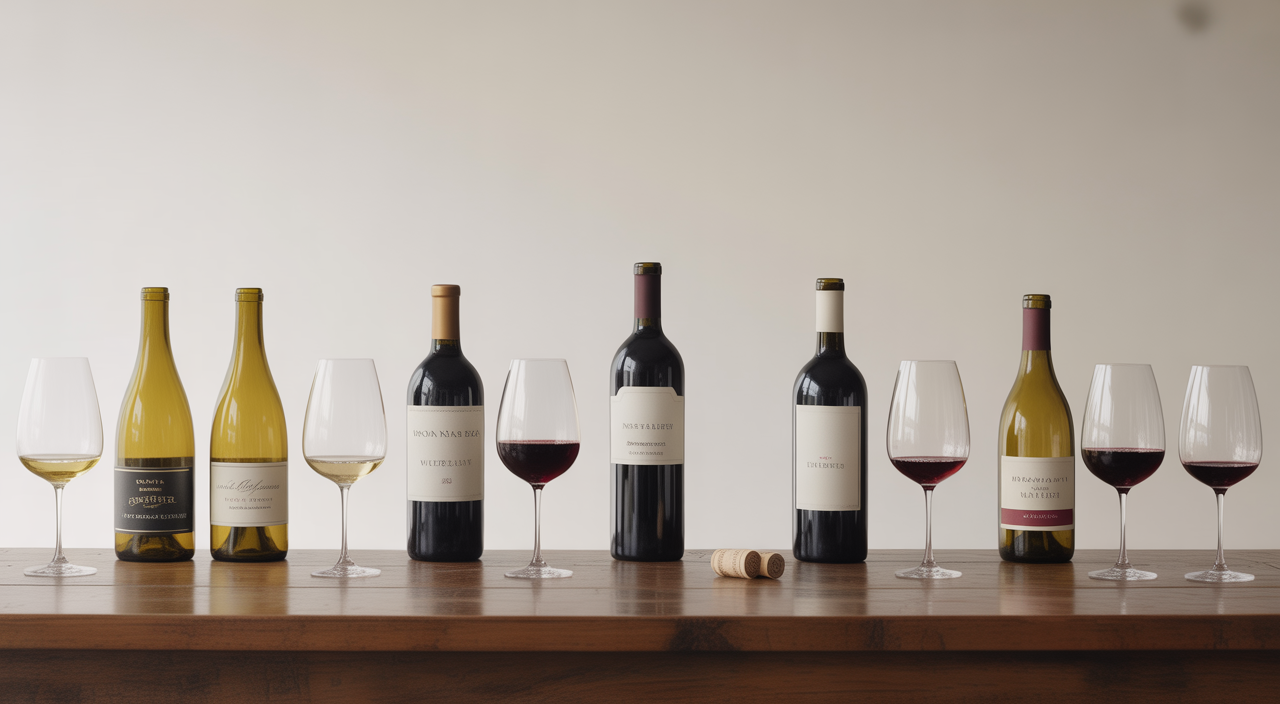
What makes a Napa Valley winery visit so special?
For wine lovers across the world, a trip to Napa is a dream. Rolling vineyards, sunny skies, and glass after glass of world-class wine make this California wine region a perfect holiday. The key is choosing the right Napa Valley winery and planning your day smartly so you enjoy more tasting and less stress.
This guide keeps things simple and practical. You will learn how Napa’s wine regions work, how to design a one-day or weekend plan, and how to book tastings with confidence. Whether you are from India planning a long holiday or already in the US, you will find clear steps you can follow.
Along the way, you will see why many travelers prefer boutique, family-owned estates. These places often give more personal attention, deeper stories, and calm surroundings compared to very large properties.
Understanding Napa Valley’s wine regions
Napa Valley is divided into smaller zones called AVAs, or American Viticultural Areas. Each AVA has its own climate and soil, also called terroir. This terroir affects how the grapes grow and how the wine tastes.
Here are three well-known AVAs you will often hear about:
- Oakville: Warm days and cool nights, famous for structured red wines like Cabernet Sauvignon.
- Rutherford: Known for rich reds with a soft, earthy finish often described as “Rutherford dust.”
- St. Helena: A mix of styles, with both bold reds and elegant whites, plus many historic Napa Valley vineyards.
When you look at a Napa wineries map, you will see how close these regions are to each other. This makes it easy to visit 2–3 wineries in a single day without rushing.
How to build your perfect Napa itinerary
Before you book winery reservations in Napa, decide how much time you have. Your plan will look different if you have just one day or a full weekend.
One-day wine tasting Napa plan
If you only have one day, keep it simple. Try this structure:
- Morning: First tasting at 10:30 or 11:00, when your palate is fresh.
- Lunch: Relaxed meal in town with plenty of water.
- Afternoon: One or two more tastings, finishing by 5:00 pm.
Choose a mix of one larger estate and one boutique luxury Napa Valley winery. The larger place shows you scale and architecture, while the boutique spot gives you a more private and personal experience.
Weekend Napa Valley winery escape
With two or three days, you can move slowly and enjoy more depth:
- Day 1: Explore one AVA, such as St. Helena, with two tastings and some shopping.
- Day 2: Visit a family-owned property, take a vineyard or barrel room tour, and end with sunset views.
- Day 3 (optional): Focus on organic or small-batch Napa boutique wineries and pick bottles to carry home.
To stay organised, you can create your own “Napa Valley winery map” in a simple online tool. Mark tasting times, driving distances, and lunch stops so you never feel rushed between bookings.
Types of wineries to include in your trip
There is no single “best” Napa Valley winery. It depends on what experience you want. Mix and match from these styles:
- Large estates: Impressive buildings, big cellars, and guided group tours. Good for first-time visitors.
- Boutique and family-owned: Smaller groups, more stories about winemaking, closer contact with staff or even the owner.
- Organic or sustainable: Focus on eco-friendly farming, minimal chemicals, and respect for the land.
- Food-focused: Wineries that offer cheese platters, chocolate pairings, or full meals with wine.
When booking, look at what is included: simple tastings, seated experiences, or full vineyard walks. The more detailed the description, the easier it is to compare value and choose what suits your budget.
Insider tips for wine tasting etiquette
Wine culture can look formal from the outside, but it is very welcoming if you know a few basics. These simple rules keep your visit smooth and stylish:
- Book in advance: Many tasting rooms now work by reservation only, especially on weekends.
- Eat before and during: Have a solid breakfast and light snacks; wine on an empty stomach is not pleasant.
- Spit is normal: Professionals spit some wine into a spittoon to stay fresh. You can do the same with no embarrassment.
- Perfume-free: Strong fragrances hide the aroma of the wine, so keep scents light.
Tasting fees vary widely. Basic tastings can start around the cost of a mid-range restaurant meal per person, while rare and private tastings cost more. Ask if the fee is waived when you buy bottles to take home.
What actually happens in a tasting?
Most tastings include a flight, which is a set of 3–5 wines served in order. Your host will explain the grape variety, AVA, barrel aging techniques, and suggested food pairings.
To taste like a pro, follow this simple routine:
- Look at the colour against a white background.
- Swirl the glass gently to release aromas.
- Smell deeply and notice fruit, spice, or floral notes.
- Sip slowly, letting the wine cover your tongue before you swallow or spit.
There are no wrong answers. If you taste ripe berries or spices, say so. Hosts enjoy helping you build your confidence and wine vocabulary.
Pairing Napa wines with food
Good pairings make wine and food taste better together. Here are easy guidelines you can even use back home in India:
- Cabernet Sauvignon: Excellent with grilled lamb, rich paneer dishes, or spicy kebabs.
- Merlot: Softer red that works well with butter chicken, roasted vegetables, or mild curries.
- Chardonnay: Lovely with creamy pasta, fish dishes, or lightly spiced tandoori chicken.
- Sparkling wine: Great with snacks, fried starters, and celebration sweets.
When you visit a Napa Valley winery, note which wines match your regular home cooking. This makes it easier to buy bottles you will truly enjoy later, not just in the tasting room.
Budget planning for Indian travelers
For visitors flying from India or other distant countries, planning costs is important. Your Napa budget usually includes:
- Tasting fees at each winery
- Local transport or driver service
- Meals and snacks between tastings
- Wine bottles or wine club sign-ups
To save money, look for weekday tastings, group rates, or seasonal offers. Some estates also provide better value through membership perks, such as discounted shipping or special member-only events.
If you like planning trips step by step, you may also enjoy this guide on designing nature-focused holiday itineraries, which can inspire how you structure your Napa days.
FAQs about visiting a Napa Valley winery
Q1. What is the best time of year to visit Napa Valley?
Spring (March to May) and autumn (September to early November) are ideal. The weather is comfortable, the vineyards look beautiful, and there are many events. Harvest season in autumn is busier, so book tastings and hotels early.
Q2. Do I need a car to explore Napa wineries?
A car is very helpful because wineries are spread out across the valley. However, you can also book local drivers or small group wine country tours. This option is safer and more relaxing if you plan to taste at several places in one day.
Q3. How many wineries should I visit in one day?
Two or three wineries in a day is usually perfect. This pace gives you time to enjoy each tasting, talk to the staff, and explore the grounds without rushing. It also keeps your energy and palate fresh for each new wine.
For more travel planning tips and lifestyle guides, you can explore other helpful resources on IndexPoint’s main hub as you prepare for your Napa wine country journey.
