

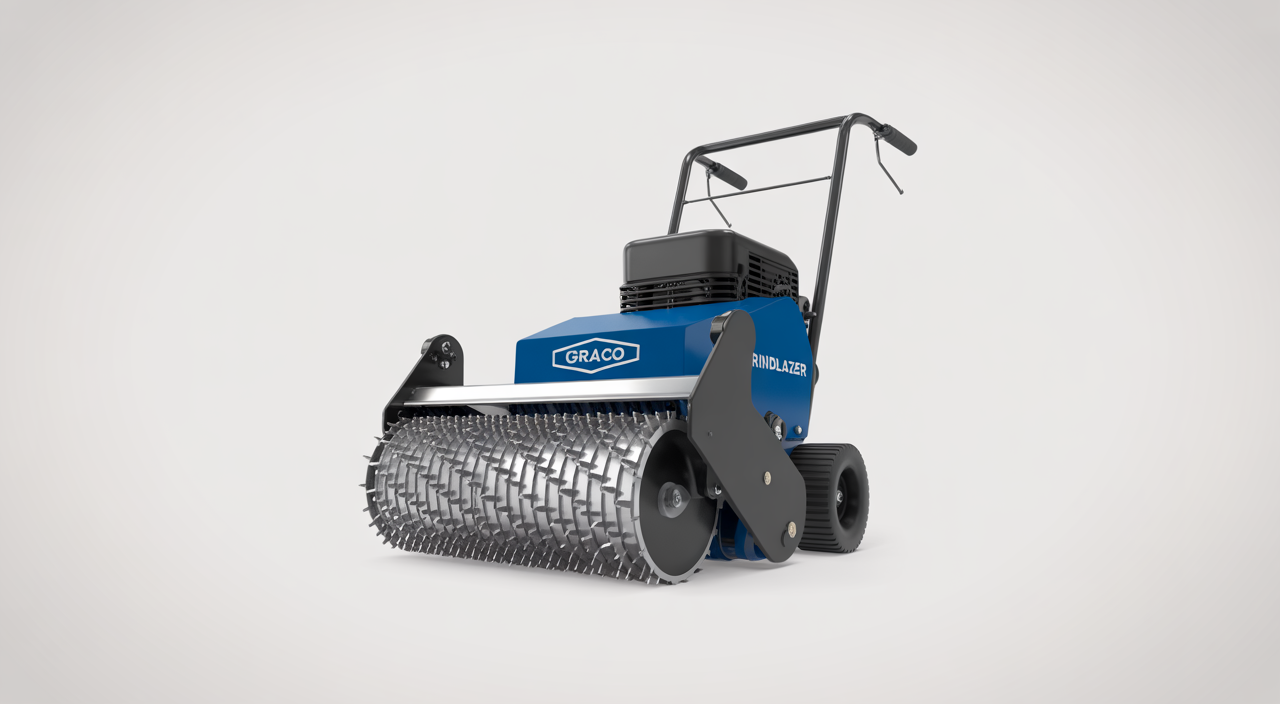
If you work with asphalt or concrete, you already know that surface preparation can make or break a project. Choosing the right graco grindlazer model helps you finish faster, control costs, and deliver a smoother finish for overlays or coatings.
This guide walks you through how these scarifiers and grinding machines work, which type fits which job, and how to think about return on investment. It is written for contractors, facility managers, and public-works teams who want clear, practical advice before buying.
We will also look at job-size planning, simple maintenance tips, and buying factors that matter most when you are comparing models in Canada.
Why Contractors Prefer GrindLazer for Surface Prep
Grind-type scarifiers are built for tough surface removal. A graco grindlazer machine uses a rotating drum fitted with cutting tools to remove concrete, asphalt, coatings, or traffic markings in a controlled way.
Key advantages include:
- High productivity: Removes material quickly, especially over large areas.
- Consistent depth: Adjustable cut depth helps you avoid over-milling.
- Versatility: From line removal to full-depth concrete milling and asphalt repair.
- Durability: Heavy-duty build for industrial floor preparation day after day.
For Canadian buyers, access to reliable warranty support and quick shipping is just as important as specs. That is where a focused distributor adds real value.
Scarifiers vs Grinders: What Is the Difference?
Many buyers search for “concrete grinding machines” and “surface prep floor grinder” in the same breath. Both are useful, but they are not the same.
Scarifier (milling action)
- Uses a drum with many cutting teeth.
- Best for removing thick layers of asphalt, concrete, or heavy coatings.
- Leaves a textured finish that gives good bonding for new overlays.
Grinder (abrasive action)
- Uses rotating discs with diamond segments.
- Best for smoothing, polishing, or light coating removal.
- Leaves a flatter, finer finish.
A simple rule: if you need to remove a lot of material fast, choose a scarifier; if you need a smooth finish, follow up with a grinder.
Walk-Behind vs Ride-On: Which Style Fits Your Work?
Most graco grindlazer models fall into two groups: walk-behind scarifiers and ride-on scarifiers. Your choice depends on area size, thickness to remove, and how fast you want the job done.
Walk-behind scarifier
- Great for smaller jobs such as parking bays, footpaths, and spot repairs.
- Lower upfront cost and easier to transport in a pickup or small truck.
- Ideal for contractors entering surface-preparation work or adding a second machine.
Ride-on scarifier
- Best for large projects like warehouses, roadways, and airport runways.
- Wider scarifier drum width and higher horsepower for maximum output.
- Reduces operator fatigue and boosts daily production.
Quick Model Comparison Framework
When you compare models, focus on a few simple numbers instead of getting lost in long spec sheets:
- Cutting width: Wider width means fewer passes on large areas.
- Max cut depth: Deeper cuts help with asphalt milling and concrete floor removal.
- Power type: Petrol, diesel, or electric, depending on site rules and ventilation.
- Weight: Heavier machines bite harder but need stronger operators or ride-on support.
To think about ROI, calculate your cost per square foot:
- Estimate total job area (for example, 500 m²).
- Check machine productivity (for example, 30–40 m² per hour at your typical cut depth).
- Work out labour hours, fuel, and cutter wear.
- Divide total cost by total square metres to get cost per m².
Even a more expensive machine can be cheaper per square metre if it cuts job time in half.
How to Select the Right Machine for Indian Projects
For Indian investors planning to buy for local contractors or rental fleets, think about common project types and local site conditions.
- Road and highway work: Choose higher-horsepower walk-behind or compact ride-on units with strong dust-control options for asphalt scarifier machine use.
- Industrial floors: Medium-width walk-behind models handle expansion-joint cleanup and coating removal in factories and warehouses.
- Parking lots and malls: Easy-to-transport walk-behind units work well for line removal and patch prep.
Also check power availability at your typical sites, access ramps, and how many operators you plan to train.
Simple Operation & Maintenance Best Practices
Good operation and maintenance keep your investment profitable for years.
Start-up basics
- Inspect the scarifier drum and blades before every shift.
- Set cut depth in small steps instead of full depth at once.
- Start the machine off the surface, then lower the drum gradually.
Blade and drum care
- Check cutters regularly for wear and flat spots.
- Replace scarifier blades in sets so cutting stays even.
- Keep spare drums or cutters on hand to avoid downtime.
Dust control
- Use a dust shroud attachment and connect to a suitable vacuum.
- Train operators to keep hoses clear to avoid blockages.
- Follow local safety rules for dust and noise exposure.
Taking these steps also supports better health and safer sites for your crew, which is critical for long-term business growth.
Real-World Productivity: What Can You Expect?
Output depends on surface hardness, cut depth, and operator skill, but you can use rough benchmarks to plan.
- Light line removal on asphalt: a compact walk-behind can handle several hundred square metres per day.
- Deeper concrete milling: expect lower coverage, but much faster than manual chipping or small grinders.
- Large industrial floor preparation: a bigger walk-behind or ride-on system reduces shifts and labour costs.
This clarity helps Indian investors estimate rental rates, payback periods, and fleet-sizing for local markets.
More Ways to Boost ROI from Your Equipment
To get even more value from your machine investment, combine strong gear with smart planning and technology. For a broader view on using technology to increase efficiency in your day-to-day work, you can explore this guide on how technology affects our daily lifestyle.
If you plan to market contract or rental services online, it is also useful to understand digital outreach and lead generation. A helpful starting point is this overview of digital marketing company services and how they support business growth.
FAQs
Q1. How do I choose between petrol and electric models?
Answer: Petrol units are flexible for outdoor work, road projects, and areas without stable power. Electric models suit indoor sites such as basements, factories, and malls where exhaust is an issue. Check local power supply, ventilation, and typical job locations before deciding.
Q2. How often should I replace scarifier blades?
Answer: It depends on material hardness, cut depth, and daily usage. On abrasive concrete, cutters may need replacement sooner than on softer asphalt. A practical approach is to inspect after every shift and track hours on a simple log, then set a preventive replacement schedule before performance drops.
Q3. Is a walk-behind scarifier enough for large projects?
Answer: For medium-sized car parks or factory floors, a high-output walk-behind machine often works well, especially if labour costs are moderate. For very large projects like long road sections or airport areas, a ride-on unit usually gives better daily output and lower cost per square metre over time.