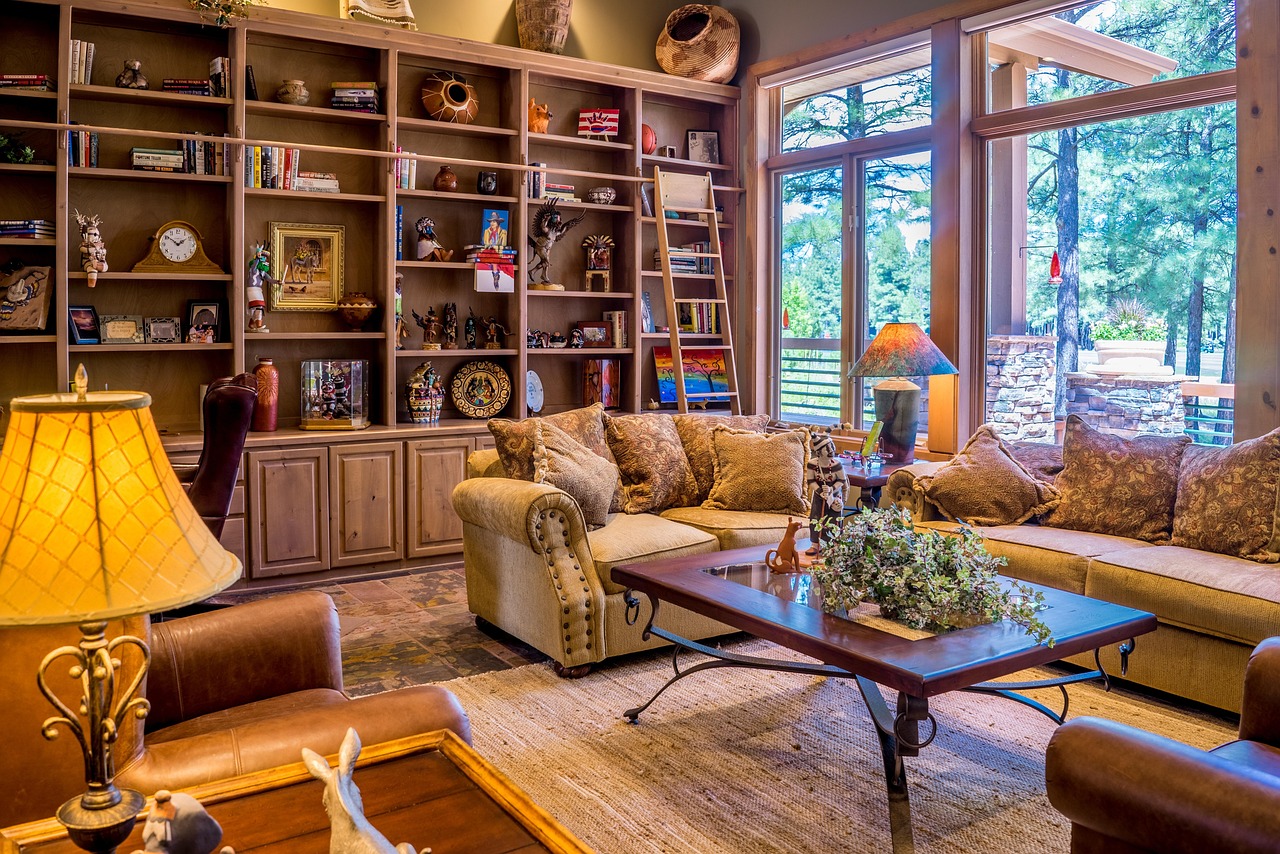
The living room is the most visible and most frequently purchased furniture category in residential retail. Consumers invest in living room furniture more often than any other room because it is the primary social space of the home, the first room guests see, and the space that reflects a household identity most directly. For furniture retailers in the United States, the living room category represents a reliable and high-volume revenue stream when sourced correctly from the right wholesale distributor.
This guide covers everything a U.S. furniture retailer needs to know about sourcing wholesale living room furniture effectively. We examine the key product categories that drive retail revenue, the consumer trends shaping demand in 2026, how to evaluate a wholesale distributor for living room collections, and how to build a showroom assortment that performs consistently across different customer segments.
Key Living Room Categories That Drive Retail Revenue
Not all living room furniture categories perform equally in retail. Retailers who understand which categories generate the highest volume, the highest average ticket, and the most repeat purchase activity are positioned to build an assortment that maximizes floor productivity. The following categories define a strong wholesale living room furniture assortment for U.S. retail operations.
- Sectional sofas: Sectionals are consistently the highest-revenue single item in furniture retail. Consumers who decide to purchase a sectional are buying a full room solution rather than a single piece, which means the average transaction value is substantially higher than for a standard sofa. Retailers who carry a well-edited sectional assortment in both fabric and faux leather options typically outperform those who focus on traditional two-piece sofa and loveseat sets.
- Motion and power recliners: The recliner category has evolved dramatically over the past several years. Standard rocker recliners have given way to power recliners with USB charging ports, cup holders, LED accent lighting, and zero-gravity positioning. These premium features have moved power recliners into the mid-to-high price segment, improving margins significantly for retailers who stock the right collections.
- Accent chairs and swivel chairs: Accent chairs serve both functional and decorative purposes in the living room. They are a frequent add-on purchase when a consumer is investing in a sofa or sectional, and they give retailers the opportunity to build a higher-value basket. Swivel chairs in contemporary barrel and globular shapes have emerged as particularly strong sellers across the urban and suburban retail segments.
- Occasional tables: Coffee tables, end tables, sofa tables, and console tables round out a living room purchase and are often sold as a set alongside a sofa or sectional. Retailers who stock coordinating occasional table collections from the same wholesale source as their seating can present complete room vignettes that are easier to sell and create stronger visual impact on the showroom floor.
- Entertainment and media storage: Television entertainment centers and floating media consoles have moved from a commodity category into a design-forward one. Consumers who are investing in a quality living room look for media storage that coordinates with their seating choices rather than a generic unit from a mass retailer.
Consumer Trends Shaping Wholesale Living Room Demand in 2026
Understanding consumer demand trends is critical for retailers who want to build a living room assortment that sells quickly and at full margin rather than requiring deep discounting to move. The following trends are shaping wholesale living room furniture purchasing decisions in 2026.
Sectional configurations over traditional sofa sets. The shift from the traditional sofa-and-loveseat configuration to the L-shaped or U-shaped sectional has been accelerating for several years and shows no sign of reversing. Consumers in all household sizes, from urban apartment dwellers to suburban families, have embraced the sectional as the default living room seating solution. Retailers who have transitioned their showroom floor from sofa sets to sectional vignettes consistently report improved sell-through rates and higher average ticket values.
Power and motion features as a baseline expectation. Power recliners and power motion sofas are no longer a luxury upgrade. Across the mid-market price segment, consumers expect electronic reclining as a standard feature rather than a premium addition. Retailers who have not transitioned their recliner and motion sofa assortment from manual to power mechanisms are leaving margin on the table and presenting an assortment that reads as dated to the current consumer.
Neutral and earth-tone fabric dominance. Consumer preference in living room upholstery fabrics has moved decisively toward neutral and earth tones, including grey, taupe, beige, sand, and warm brown. These colorways photograph well, coordinate with a wide range of interior design aesthetics, and have broad appeal across age demographics. Retailers who concentrate their wholesale living room fabric orders in these tones minimize clearance risk and maximize initial sell-through.
Texture and material mixing. While solid neutral fabrics dominate, consumers increasingly seek visual interest through material mixing rather than pattern. Boucle fabric, performance velvet, linen-look textures, and nailhead detailing all perform well in the current market. Wholesale distributors who offer these fabric options across their sofa and sectional lines give retailers the ability to differentiate their assortment without introducing unpredictable color risk.
How to Evaluate a Wholesale Living Room Furniture Distributor
Not all wholesale distributors are equally positioned to serve U.S. furniture retailers well. The evaluation process for a new wholesale living room furniture partnership should go beyond price and catalog breadth to assess the factors that determine whether a relationship produces sustainable retail results over time.
Catalog depth across all living room categories. A strong wholesale living room partner carries a comprehensive assortment across sofas, sectionals, recliners, accent chairs, and occasional tables. Retailers who consolidate their living room purchasing with a single distributor benefit from coordinating design aesthetics across categories, simplified purchasing and logistics, and stronger negotiating leverage on pricing and territory.
Supply chain reliability and lead time consistency. The living room furniture category is particularly sensitive to supply chain disruption because consumers expect prompt delivery after a purchase decision. A wholesale distributor who cannot reliably commit to and deliver consistent lead times creates a customer service liability for the retailer. Distributors with dedicated U.S. warehousing and domestic distribution infrastructure offer meaningfully stronger lead time reliability than those who ship direct from overseas manufacturing.
Pricing structure that supports competitive retail margin. A wholesale distributor who maintains pricing discipline across their retail partner network ensures that no single retailer is undercut by another. This pricing consistency protects the retail margin that makes a long-term wholesale partnership viable.
Exclusive territory arrangements. The most strategically valuable wholesale living room furniture partnerships include the option for exclusive collection rights within a geographic trade area. When a retailer holds exclusive rights to a sectional or recliner collection within their market, they are protected from direct price competition on those SKUs and can build a sustainable point of differentiation that drives destination traffic to their showroom.
Building a High-Performing Wholesale Living Room Assortment
The architecture of a strong wholesale living room assortment begins with defining the price tiers and style segments that align with your customer base. Most U.S. furniture retailers serve a market that spans at least two price tiers in the living room category, and the assortment should reflect that range without becoming so broad that it lacks coherence on the showroom floor.
For the sectional category, the optimal assortment typically includes two to three collection families that represent distinct aesthetic points of view: a fabric sectional in a current neutral colorway, a bonded or faux leather sectional in a contemporary silhouette, and optionally a premium collection with performance fabric and upgraded construction features. Each collection family should be presented as a complete vignette on the showroom floor, with coordinating occasional tables and accent chairs to encourage multi-item purchases.
For the recliner and motion sofa category, the assortment should emphasize power mechanisms and contemporary styling over traditional manual models. A collection that includes both a standalone power recliner and a matching power recliner sofa or sectional gives sales staff the flexibility to meet a wide range of customer preferences with consistent design cohesion.
For the occasional table category, the key is to ensure visual coordination with the primary seating collections. A retailer whose coffee tables and end tables share a design language with their sofa and sectional assortment is in a position to close multi-item transactions that a retailer with mismatched categories cannot match.
Why Global Furniture USA Is a Strong Wholesale Living Room Partner
For U.S. furniture retailers looking for a wholesale living room furniture distributor who combines catalog depth, supply chain reliability, and partnership programs designed for retail success, Global Furniture USA represents a compelling option. With a comprehensive catalog of living room collections spanning sofas, sectionals, recliners, accent chairs, and occasional tables, the company is positioned to serve as a primary wholesale source for retailers who want to consolidate their living room purchasing with a single trusted partner.
Global Furniture USA sources its collections directly from manufacturing partners, which provides the pricing and lead time consistency that makes a long-term wholesale relationship viable. Their U.S.-based distribution infrastructure supports the prompt delivery timelines that residential furniture consumers expect, and their partnership programs include the exclusive territory arrangements that give ambitious retail operators a sustainable competitive edge in their local market.
Frequently Asked Questions
What is wholesale living room furniture and who buys it?
Wholesale living room furniture refers to sofas, sectionals, recliners, accent chairs, coffee tables, and entertainment units sold directly to furniture retailers at bulk pricing. Furniture store owners, boutique retailers, and large showroom buyers purchase wholesale living room furniture to stock their floors and resell to residential consumers at a retail markup. The transaction is business-to-business, with pricing and minimum order structures designed for commercial buyers.
What living room categories should retailers prioritize when sourcing wholesale?
Retailers should prioritize sectional sofas in both fabric and bonded leather, motion recliners and power recliner collections, accent chairs with on-trend upholstery, and occasional tables including coffee tables, end tables, and sofa tables. These categories cover the widest range of consumer demand and deliver strong average ticket sizes. Power motion sofas and sofa-recliner sets are also increasingly important additions to a complete living room assortment.
How do sectional sofas perform in the wholesale furniture market?
Sectional sofas consistently rank as one of the highest-revenue items in furniture retail. Consumers purchase sectionals as a full living room solution rather than individual pieces, which drives higher average transaction values. Retailers who carry a well-edited sectional assortment in both fabric and faux leather options, presented as complete room vignettes, typically outperform those who focus on traditional sofa sets.
What is a power recliner and why is it important for furniture retailers?
A power recliner uses an electric motor to adjust the recline angle and footrest position at the touch of a button. Power recliners with USB charging ports, LED accent lighting, and cup holders have become a top-selling living room item across multiple retail price points. Retailers who stock power recliner collections alongside their sofa assortment consistently capture additional impulse purchases and higher average basket values.
How should retailers evaluate a wholesale living room furniture distributor?
Retailers should evaluate distributors on catalog breadth across sofa, sectional, recliner, and occasional table categories; supply chain reliability and lead time consistency; pricing that supports a competitive retail margin; availability of exclusive collection rights within a geographic territory; and quality of product photography and marketing materials for digital advertising. Distributors with dedicated U.S. warehousing offer the most reliable delivery performance.
How do I get started sourcing wholesale living room furniture for my store?
Begin by reviewing wholesale distributor catalogs for design currency and range across your key living room categories. Request pricing sheets, minimum order quantities, and lead time commitments. Ask about exclusive territory arrangements for your highest-volume collections. Then schedule a meeting with the distributor sales team to discuss your showroom format, customer demographics, and the collections that would perform best on your floor.